The Quiet Engineering Detail that Keeps Flat Roofs from Tearing Themselves Apart
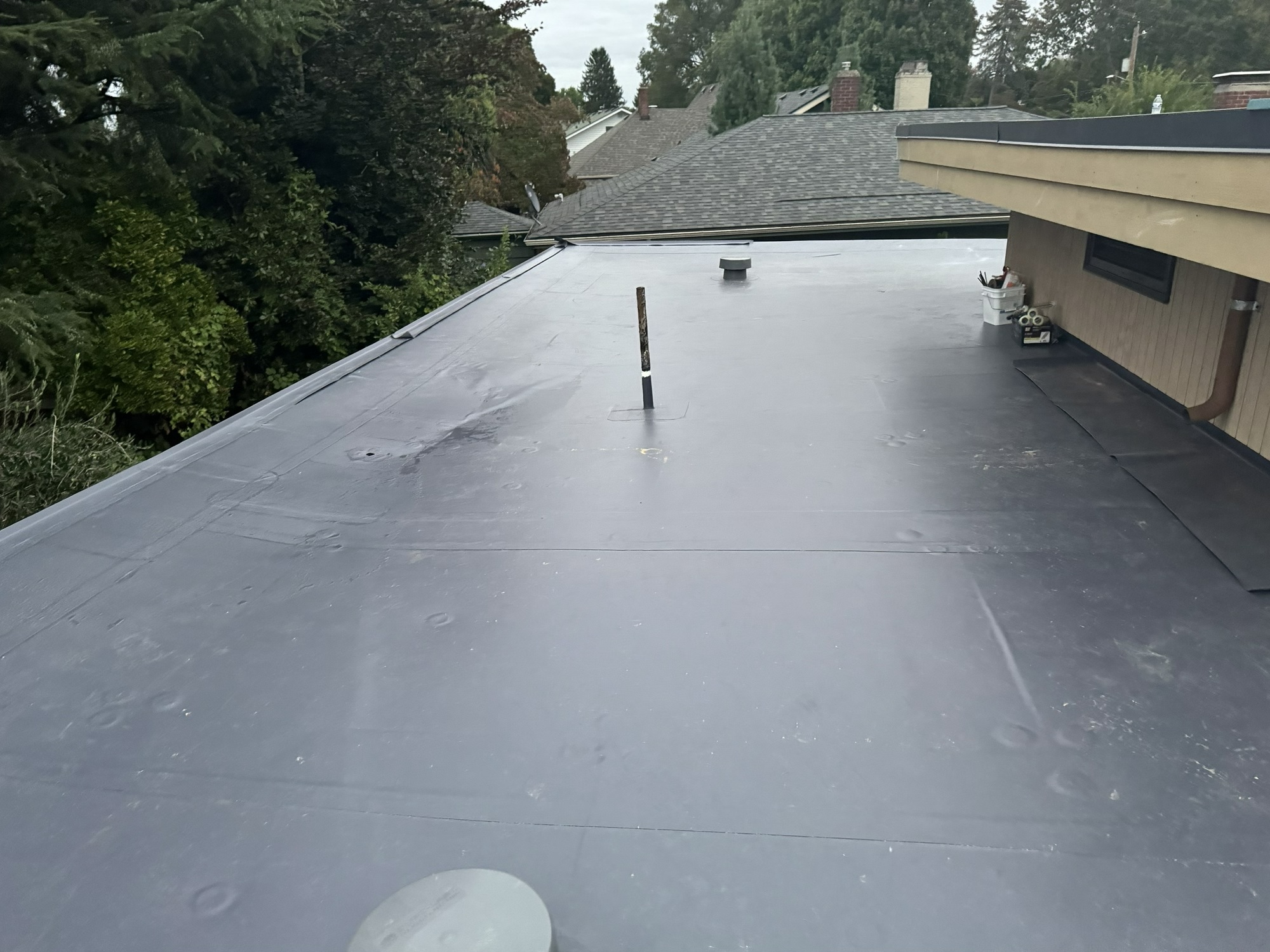
Flat roofs look simple from the outside. Clean lines. Minimal slope. But underneath, they’re constantly moving. Heat, cold, and moisture cause materials to expand and contract every day. That’s why projects of flat roof installation in Wilsonville, OR demand more than just quality materials. They require smart expansion joint design. At HER Roofing, every installation is engineered to withstand this movement before it becomes costly damage.
What often gets overlooked is how quickly small stresses can build into major failures. A tiny shift in temperature can cause materials to expand just enough to strain seams, especially in flat roofing systems like TPO roofing or EPDM rubber.
Flat roof installation incorporates thermal expansion joints to absorb movement caused by temperature changes. These joints prevent membrane stress, cracking, and separation by allowing controlled flexibility within the roofing system, ensuring durability and long-term performance in climates with fluctuating weather, such as the Pacific Northwest.
Why Flat Roof Installation Must Account for Constant Movement
Flat roofing systems don’t stay still. They expand under heat and contract when temperatures drop in Wilsonville, OR, where the weather shifts between wet, cool conditions and occasional heat waves, making this movement more intense.
Without expansion joints, roofing materials such as TPO, EPDM rubber, or modified bitumen can stretch beyond their limits. Over time, this leads to membrane damage, water intrusion, and even structural issues.
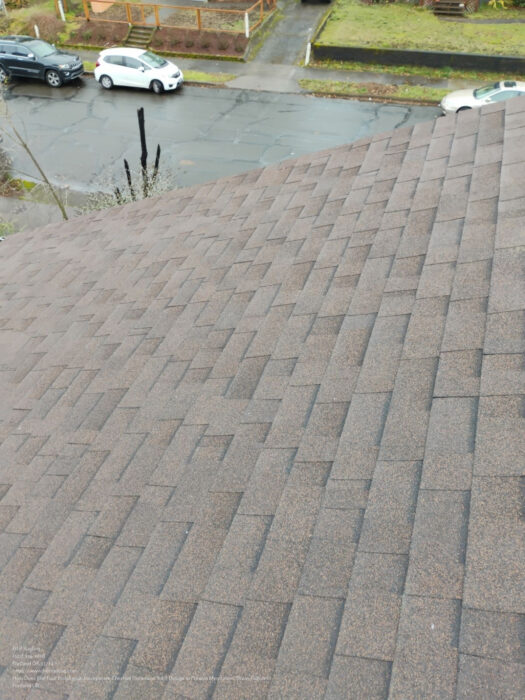
A common question property owners ask is: Why do flat roofs crack even when they’re newly installed? The answer often comes down to poor movement control.
HER Roofing evaluates each roofing system based on building size, sq ft coverage, and environmental exposure near the Willamette River. These factors determine how much movement the roof will experience, and where expansion joints are needed.
5 Costly Mistakes that Lead to Membrane Stress Failures
Storms don’t cause many flat roofing failures, overlooked design details cause them. Here are the most common mistakes:
First, skipping expansion joints altogether. Some installers rely solely on material flexibility, which isn’t enough for large commercial buildings.
Second, placing joints incorrectly. Poor positioning can concentrate stress rather than relieve it.
Third, ignoring weld integrity in single-ply membranes. Weak seams can split under thermal pressure.
Fourth, failing to account for water drainage. Standing water increases heat absorption, accelerating expansion and stress.
Fifth, using incompatible roofing materials. Not all systems respond the same way to temperature changes.
According to the National Roofing Contractors Association, proper design and installation are essential for preventing premature roof failure.
HER Roofing avoids these issues by combining engineering insight with hands-on experience, ensuring every flat roofing system performs under real-world conditions.
Need Flat Roof Installation?
Contact HER Roofing today for expert, reliable roofing solutions.
How Expansion Joints Protect Your Investment and Extend Roof Life
Expansion joints act like shock absorbers for your roof. They allow controlled movement, preventing stress from building up in vulnerable areas.
In one Wilsonville Roofing project, HER Roofing installed expansion joints across a large commercial property using TPO & PVC single-ply systems. The result? No membrane tearing, even after seasonal temperature swings.
Benefits of proper expansion joint design include:
- Reduced risk of membrane cracking and asphalt cracks
- Improved durability of flat roofing systems
- Better resistance to water intrusion and moisture-related damage
- Longer lifespan for roofing materials
For residential properties and commercial buildings alike, these small design elements make a big difference in long-term performance.
6 Expert Strategies Used to Design Effective Expansion Joints
Designing expansion joints isn’t guesswork. It requires careful planning and precise execution. HER Roofing follows proven methods to ensure optimal results:
- Analyze building dimensions and structural movement patterns
- Select compatible materials like EPDM rubber or modified bitumen
- Position joints at natural stress points in the roofing system
- Reinforce seams to maintain weld integrity
- Integrate joints with water drainage systems, including internal drains
- Protect edges with perimeter edge metal and sheet metal services
Each step ensures the roofing system can handle thermal expansion without compromising performance.
In the Pacific Northwest, where moisture barriers and drainage systems are critical, these strategies help prevent long-term issues such as moss growth and water leaks.
Real-World Insight: How HER Roofing Prevented Membrane Failure in Wilsonville OR
During a flat roof installation on a commercial building, HER Roofing identified a high risk of thermal stress due to the building’s large surface area and exposure.
Instead of relying solely on standard installation methods, the team incorporated strategically placed expansion joints and reinforced seams. They also improved water drainage to reduce heat buildup.
Months later, despite temperature fluctuations, the roofing system showed no signs of stress or damage.
The takeaway is clear: proper design prevents problems before they start.
Key Insights Property Owners Should Remember about Flat Roofing Systems
Flat roofs require more than strong materials, they require smart engineering.
Here’s what matters most:
- Thermal expansion is unavoidable, but manageable
- Expansion joints prevent stress-related failures
- Proper drainage and moisture barriers enhance performance
- Professional installation ensures long-term reliability
For property owners considering Flat Roof Installation in Wilsonville, OR, understanding these factors helps avoid costly repairs and ensures a durable roofing system.
Why HER Roofing is the Smart Choice for Your Roofing Needs
We at HER Roofing provide the best solutions to our customers by focusing on precision, durability, and long-term performance. We don’t just install flat roofs; we engineer them to handle real-world conditions, including thermal movement and moisture challenges.
Our team specializes in flat roof installation, roof repair, and roof replacement, delivering quality work backed by years of experience. We ensure every roofing system is built with the right materials and design strategies to prevent future issues.
We proudly showcase our excellent services through attention to detail, expert craftsmanship, and a commitment to customer satisfaction. Every project reflects our dedication to reliability and performance.
If you’re planning a flat roof project, contact HER Roofing today for expert service in your area. Let us help you build a stronger, more resilient roofing system with trusted flat roof installation in Wilsonville, OR.
Need Flat Roof Installation?
Contact HER Roofing today for expert, reliable roofing solutions.
FAQs About Flat Roof Installation in Wilsonville, OR
About Jana Zavala, Owner of HER Roofing

Since starting to work in a male dominated field in the late 90’s, Jana dove deep into learning all that there is about the roofing industry. Her thirst for knowledge allowed her to excel in whatever role she took on, like being the West Coast and Canadian territory manager for GAF Materials then going on to be a national trainer for Malarkey Roofing Products. These experiences lead Jana to taking the Oregon Contractors test in 2019 (with only missing one question), and thus establishing HER Roofing in March of that year.
Since then, Jana and the HER Roofing team has installed hundreds of roofs in the Portland Metro area and has won numerous accolades.