When Winter Damage Keeps Returning, the Roof Assembly May Be Telling a Bigger Story
Repeated freeze-thaw cycles can do more than loosen or crack shingles. When snow or ice melts and refreezes at the roof edge, water can back up beneath the roof covering. At the same time, repeated expansion and contraction can stress flashing, sealants, membranes, fasteners, and exposed roof components. In Portland, where winter conditions can shift quickly, recurring ice-related damage deserves attention beyond the visible shingle loss.
For property owners searching for roof repair in Portland OR, the key question is not simply how many shingles are damaged, but what allowed the damage to develop in the first place. HER Roofing’s roof repair services address residential and commercial roofing concerns, including leaks, damaged roofing materials, flashing issues, and other conditions that can affect the roof system’s overall performance.
Freeze-Thaw Movement Can Stress More Than the Roof Covering
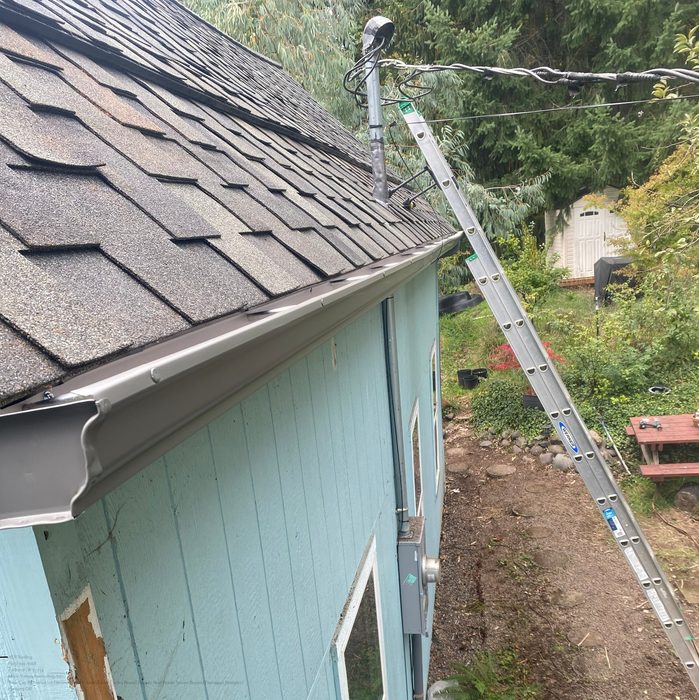
Freeze-thaw action matters because water expands as it freezes. Small amounts of moisture entering joints, cracks, laps, or deteriorated interfaces can become more disruptive when temperatures repeatedly fluctuate between freezing and above-freezing. Over time, this can contribute to cracked sealants, separated flashing interfaces, loosened materials, and moisture reaching areas that are difficult to see from the ground.
Roof geometry also affects where problems develop. Valleys, eaves, roof-to-wall transitions, penetrations, and changes in roof slope can collect water or create locations where snow and ice behave differently from the surrounding roof. A complex roof may therefore show damage in one visible area while the moisture path begins somewhere else. For an expert roofer, the useful question is not simply where the stain or damaged shingle appears, but how water could have traveled through the assembly before becoming visible.
Why a Few Damaged Shingles Can Point to a Larger Problem
An ice dam forms when part of a roof becomes warm enough to melt snow while the roof edge remains cold enough for the water to refreeze. The resulting ice buildup can hold water against the roof covering. According to the U.S. Department of Energy, this backed-up water can work beneath shingles and into the roof assembly, where it may contribute to moisture damage. The same source connects ice-dam risk with heat transfer, air leakage, insulation, and attic ventilation, showing why the visible damage may be only one part of the problem. Homeowners can learn more about the causes and prevention methods in the Department of Energy’s guide, “Preventing Ice Dams.”
The deeper concern is repeated exposure. A single winter event may leave a few displaced shingles or a damaged piece of flashing. Still, recurring cycles can repeatedly wet the same areas, exposing them to freezing temperatures. Materials do not all respond identically to these conditions. Metal flashing, sealants, underlayment, wood roof decking, fasteners, and membrane seams can each develop different forms of deterioration. A repair that addresses only the outermost damaged material may therefore leave the conditions that caused the failure in place.
Looking for Reliable Roof Repair?
Contact HER Roofing today for expert storm-resistant roofing solutions.
What Recurring Ice Damage Can Reveal about the Roof Assembly
Recurring ice-related problems can reveal several conditions that deserve closer evaluation. One possibility is inadequate control of heat and moisture movement through the attic or roof assembly. That does not mean a single ventilation defect causes every ice dam, but it does show why the surrounding assembly warrants consideration.
Another possibility is a vulnerable water-shedding detail. Shingles are only one layer of a roofing system. Flashing, underlayment, penetrations, roof edges, valleys, and other transitions work together to direct water away from the building. If one of those components has deteriorated, repeated freeze-thaw exposure can make an existing weakness more apparent.
The roof deck is another important consideration. If water has repeatedly reached the sheathing, there may be staining, elevated moisture, deterioration, or localized loss of structural integrity beneath the roof covering. That does not automatically mean a full roof replacement is necessary. The appropriate response depends on the extent, location, age, material condition, and overall performance of the system. A careful evaluation can distinguish a localized repair from a problem extensive enough to justify a larger roofing project.
When Repair Makes Sense and When Replacement Becomes the Better Option
Not every winter-damaged roof needs roof replacement. Localized damage can often be addressed when the surrounding roofing system remains sound, and the source of water entry is corrected. A professional repair may involve replacing damaged shingles or other roofing materials, restoring flashing, addressing a roof penetration, or correcting a specific leak path.
Replacement becomes a different conversation when deterioration is widespread or when the roof has reached the point where repeated repairs no longer provide a practical solution. Extensive moisture damage, widespread material failure, recurring leaks in multiple areas, or a roof that has undergone numerous unsuccessful repairs can change the cost-benefit calculation. Initial costs may be lower for another patch, but repeated work can become less economical when the underlying system continues to deteriorate.
That decision should also account for the building’s use. Residential and commercial roofs can have different operational concerns, access requirements, roof assemblies, and project management needs. Building codes, manufacturer specifications, existing materials, and the condition of the substrate can all affect the appropriate scope. Professional roofers should be able to explain what the findings mean and why a proposed repair or re-roof project is proportionate to the actual condition.
What a Thorough Winter-Damage Evaluation Should Look for
A useful evaluation goes beyond counting missing shingles. The roof covering should be examined alongside flashing, penetrations, edges, valleys, drainage paths, and areas where water could have entered beneath the surface. Where accessible and appropriate, the condition of the roof deck or substrate should also be considered. Findings with photos can make the condition easier for a property owner or commercial customer to understand, particularly when visible damage does not clearly show the full moisture path.
The evaluation should also consider the roof’s history. Repeated repairs at the same location, recurring interior stains, prior storm damage, aging materials, or evidence of persistent moisture can alter how a current problem is interpreted. Documentation can also help distinguish a new winter event from a longer-standing condition.
Attic ventilation deserves attention in buildings with a vented attic. Proper ventilation is only one part of moisture control, however. Air sealing, insulation placement, roof geometry, and the condition of the roof assembly can all interact. The goal is not to apply a single fix to every property, but to understand the specific pathway that allowed moisture and temperature changes to affect the roof.
Why Portland Weather Makes Context More Important Than a Single Winter Event
Portland’s winter weather differs from regions where prolonged heavy snowpack is a routine seasonal condition, so recurring ice-dam problems should not automatically be treated as evidence of the same roof conditions found in colder climates. The more useful approach is to examine the actual exposure pattern at the property. Short periods of freezing weather, rain followed by freezing temperatures, wind-driven precipitation, and repeated wetting can place different stresses on different roofing details.
Regional exposure also varies across Oregon and Southwest Washington. Properties closer to the Columbia Gorge, Willamette Valley, Oregon Coast, or higher and colder areas may experience different combinations of wind, moisture, and temperature than a particular Portland property. Those differences do not create a universal diagnosis, but they reinforce the value of evaluating the roof as a system rather than applying a one-size-fits-all repair.
For roof repair in Portland OR, that system-level approach is especially useful when winter damage keeps returning. A roof that looks acceptable after a surface patch may still have a vulnerable detail underneath. Identifying the pattern can help a property owner make a more informed decision about repair, maintenance, or eventual replacement.
A Better Repair Decision Starts With the Cause, Not the Visible Damage
The most useful outcome of a winter roof evaluation is a clear explanation of what failed, what remains serviceable, and what needs attention next. HER Roofing states that its repair work includes moisture detection and leak tracing, analysis of shingles, membranes, and flashing, manufacturer-approved repair methods, and detailed inspection documentation. Its published repair information also notes work across asphalt shingles, TPO, EPDM, and metal roofing systems, allowing the repair approach to be matched to the existing assembly rather than treating every roof as identical.
That technical approach matters because complex roofing decisions often involve trade-offs between immediate repair, longer-term performance, and the condition of surrounding components. Manufacturer product warranties may also depend on installation and repair work meeting applicable specifications, so material compatibility and proper application should be considered alongside the visible damage.
For property owners comparing roofing contractors, useful questions include what caused the damage, whether moisture reached the substrate, which components remain sound, and whether the recommended work addresses the source of the problem. Clear answers, documented findings, consistent workmanship, and realistic project oversight are more useful than a repair recommendation based only on the most obvious damaged shingle.
HER Roofing Brings a Careful Approach to Winter Roof Problems
Repeated ice dams and freeze-thaw cycles should be treated as clues, not simply as isolated shingle damage. When the same roof area continues to fail, the pattern may involve water migration, flashing deterioration, roof-edge details, moisture beneath the covering, attic conditions, or broader aging of the roofing system. A repair decision becomes more reliable when those factors are evaluated together, and the scope of work is tied to documented conditions.
HER Roofing provides roof repair in Portland OR for residential and commercial properties and emphasizes detailed inspections, moisture detection, manufacturer-approved repair methods, and clear communication about findings. The company’s published information also identifies hands-on roofing experience, licensing and insurance, and work across multiple roofing types as part of its repair approach. For a Portland property experiencing recurring winter-related damage, that combination of technical evaluation and practical explanation can help clarify whether a localized repair is appropriate or a larger roofing project is warranted.
Looking for Reliable Roof Repair?
Contact HER Roofing today for expert storm-resistant roofing solutions.
FAQs About Roof Repair in Portland OR
About Jana Zavala, Owner of HER Roofing

Since starting to work in a male-dominated field in the late 90’s, Jana dove deep into learning all that there is about the roofing industry. Her thirst for knowledge allowed her to excel in whatever role she took on, like being the West Coast and Canadian territory manager for GAF Materials then going on to be a national trainer for Malarkey Roofing Products. These experiences led Jana to taking the Oregon Contractors test in 2019 (with only missing one question), and thus establishing HER Roofing in March of that year.
Since then, Jana and the HER Roofing team have installed hundreds of roofs in the Portland Metro area and has won numerous accolades.